Unpassed Bill could have stopped AAP split in New Delhi
by Devanshi Patel · KalingaTVAdvertisement
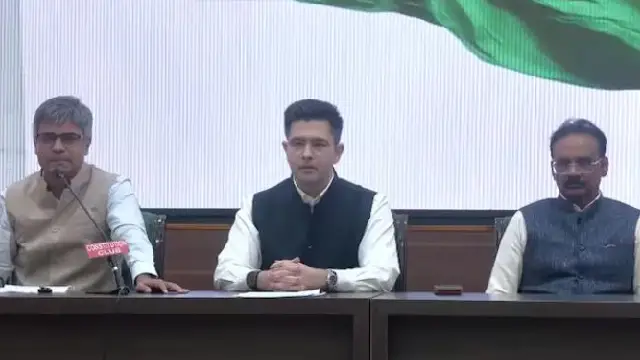
New Delhi: A major political controversy has erupted after Raghav Chadha led a group of six Aam Aadmi Party MPs to the Bharatiya Janata Party, triggering a serious numbers crisis for the Aam Aadmi Party in the Rajya Sabha.
The defection has reduced AAP’s strength significantly, as seven out of its ten MPs have now exited. This development has also intensified debate around India’s anti-defection framework under the Tenth Schedule, which currently allows a split if two-thirds of a party’s legislators agree to switch sides.
In this case, the required number was seven, which Chadha and his supporters managed to meet, protecting them from disqualification and enabling their move to the BJP.
However, the situation has drawn attention to a key proposal previously introduced by Chadha himself in 2022. As a first-time Rajya Sabha MP, he had suggested amendments to strengthen anti-defection laws by increasing the threshold from two-thirds to three-fourths and imposing a six-year ban on contesting elections for defecting lawmakers.
If that proposal had been enacted, the minimum number required for a valid split would have been eight instead of seven. This would have made the recent defection far more difficult and potentially prevented the current political fallout.
Advertisement
The proposed changes also aimed to amend Article 102 and included provisions requiring defecting legislators to formally present themselves before the House leadership within a week.
The timing of Chadha’s proposal had been significant, coming amid rising concerns over political defections across parties. Data from the Association for Democratic Reforms had earlier highlighted a growing trend of lawmakers switching sides, particularly benefiting the BJP between 2016 and 2021.
Now, AAP faces a dual challenge of legal and political survival. The party is expected to seek disqualification of the defecting MPs, though the final decision rests with the Rajya Sabha Chairman. Legal options remain open if the merger is approved.
The crisis has also raised concerns about internal dissent within the party and the possibility of further exits, which could weaken its position ahead of key elections, especially in Punjab.
AAP chief Arvind Kejriwal has reacted sharply to the development, accusing the BJP of undermining democratic mandates. The political battle is now likely to extend beyond Parliament into the courts, with significant implications for the party’s future trajectory.
Also Read: RBI Governor Sanjay Malhotra visits financial literacy camp in Uttarakhand
Advertisement