PM’s Backing for India-US Trade Framework Signals Policy Continuity for Make in India Push
by Vinay Kakkad · KalingaTVAdvertisement
Prime Minister Narendra Modi has publicly endorsed the India-US trade framework, describing it as a development that reinforces India’s long-term manufacturing strategy while strengthening bilateral economic engagement between the two countries.
In his response, the Prime Minister said the framework supports the objectives of the Make in India programme and creates new opportunities for Indian businesses across sectors. He underlined the role of trade cooperation in boosting domestic manufacturing capacity, improving global market access for Indian products, and generating employment opportunities, particularly for youth and women.
The interim India-US trade deal framework includes key tariff reductions aimed at easing trade friction and expanding market access. Under the arrangement, the United States is set to reduce tariffs on Indian exports to around 18 per cent, down from levels that had climbed to nearly 50 per cent, offering relief to exporters in labour-intensive sectors such as textiles, leather, chemicals, and engineering goods. On the reciprocal side, India has agreed to cut or eliminate tariffs on select US products, with zero-duty access being extended to specific categories as part of the framework.
Advertisement
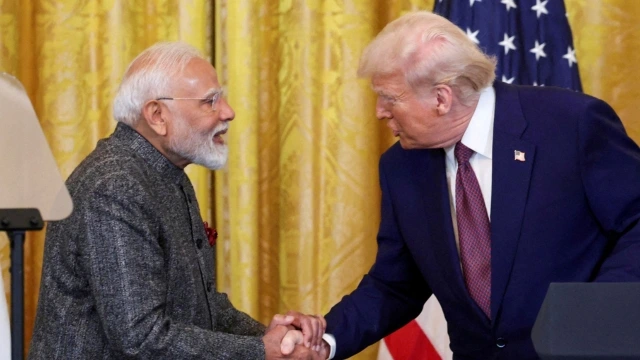
The Prime Minister also acknowledged the role of former US President Donald Trump, thanking him for his personal involvement in advancing the trade understanding. The public recognition highlights the political signalling behind the agreement and reflects the importance of leadership-level engagement in strengthening India-US economic ties.
The framework is expected to benefit MSMEs, startups, farmers, and export-oriented industries by improving trade predictability and reducing policy uncertainty. Officials have indicated that such arrangements are designed to help Indian enterprises integrate more deeply with global supply chains while preserving space for domestic value addition.
The Prime Minister’s remarks point to continuity in India’s external trade policy, where trade arrangements are positioned as tools to support manufacturing-led growth rather than standalone diplomatic outcomes. The renewed emphasis on Make in India suggests that future trade engagements will continue to prioritise investment inflows, capacity expansion, and competitiveness of Indian industry.
As global trade conditions remain volatile, the government’s endorsement of the India-US trade framework sends a signal of policy stability to businesses and investors, reaffirming India’s intent to balance international economic engagement with domestic manufacturing priorities.
Advertisement